YOU HAVE QUESTIONS.
WE SHOULD ANSWER THEM.
Nuclear energy comes with real questions about safety, waste, water, cost and Idaho’s history. Those concerns deserve straightforward answers.
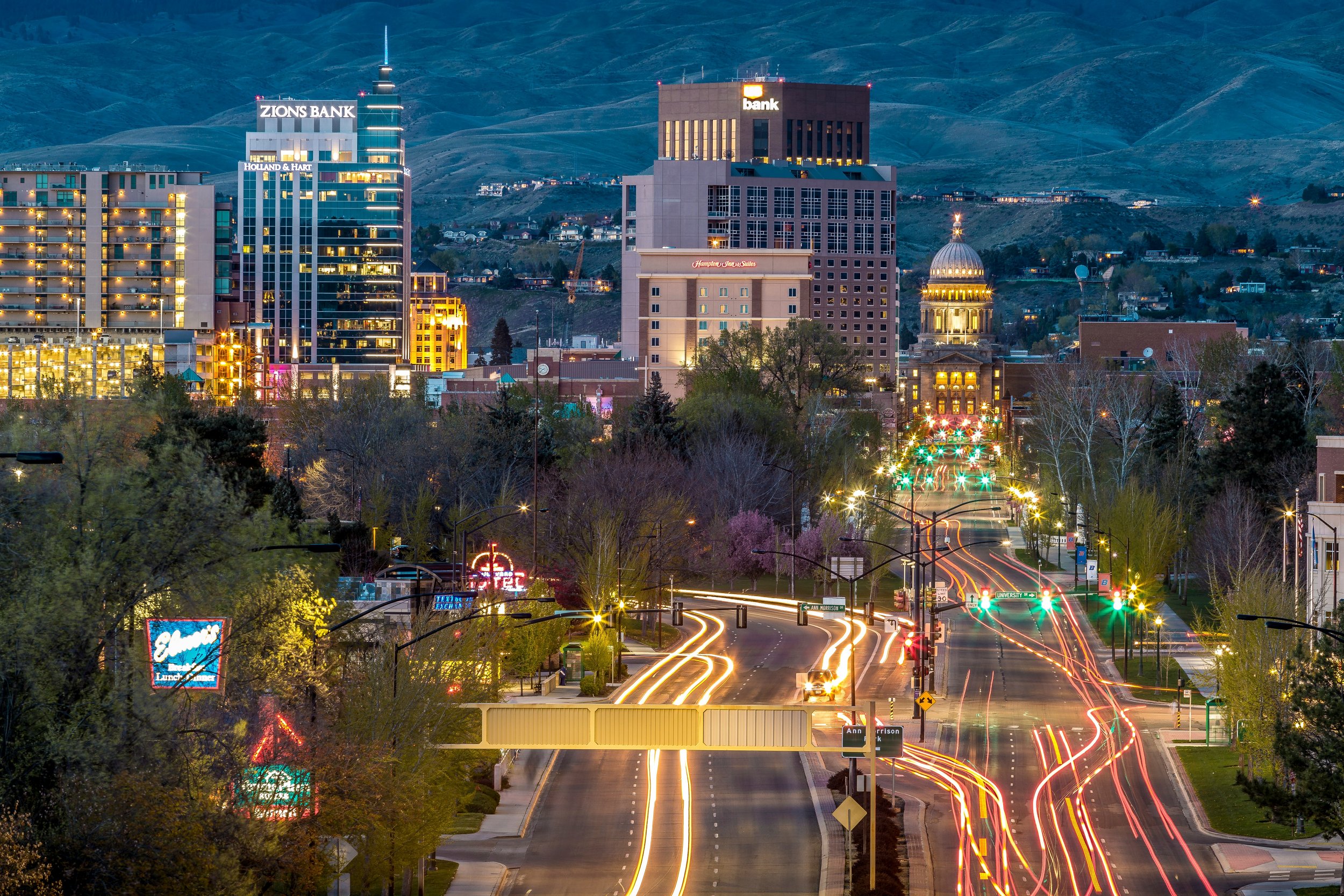
Q : IS NUCLEAR ENERGY SAFE?
Nuclear energy has risks, but modern nuclear facilities are designed with multiple layers of protection and are subject to extensive federal safety requirements, inspections and emergency planning.
No energy source is completely without risk, and nuclear energy should not be treated differently.
Modern nuclear facilities use layers of safety systems designed to prevent accidents, shut reactors down when something goes wrong and contain radioactive material. Nuclear power reactors in the United States are licensed and inspected by the U.S. Nuclear Regulatory Commission.
The industry has also changed significantly because of lessons learned from past accidents, both in the United States and around the world. Newer reactor designs may include passive safety features that can shut down or cool a reactor with limited or no operator action.
Safety is not something established once when a facility opens. It involves continuing inspections, monitoring, maintenance, training and regulatory oversight.
Q : WHAT HAPPENS TO NUCLEAR WASTE?
Short answer is Different kinds of nuclear waste are handled differently. Used nuclear fuel is stored securely and can remain in storage for decades while awaiting recycling, reuse or permanent disposal.
When fuel is removed from a reactor, it is still highly radioactive and continues to produce heat.
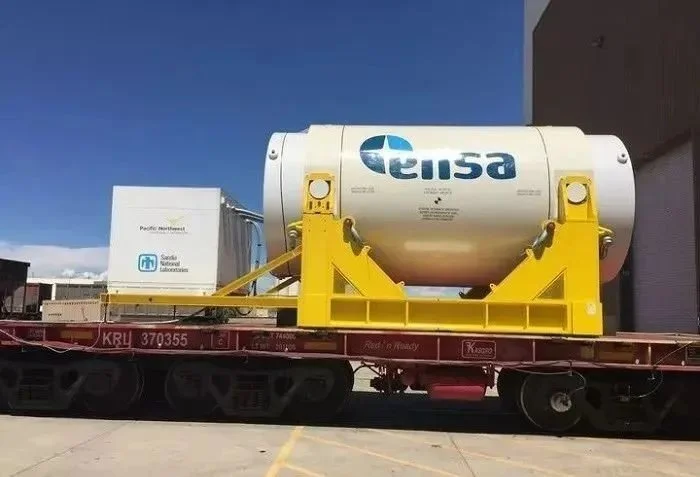
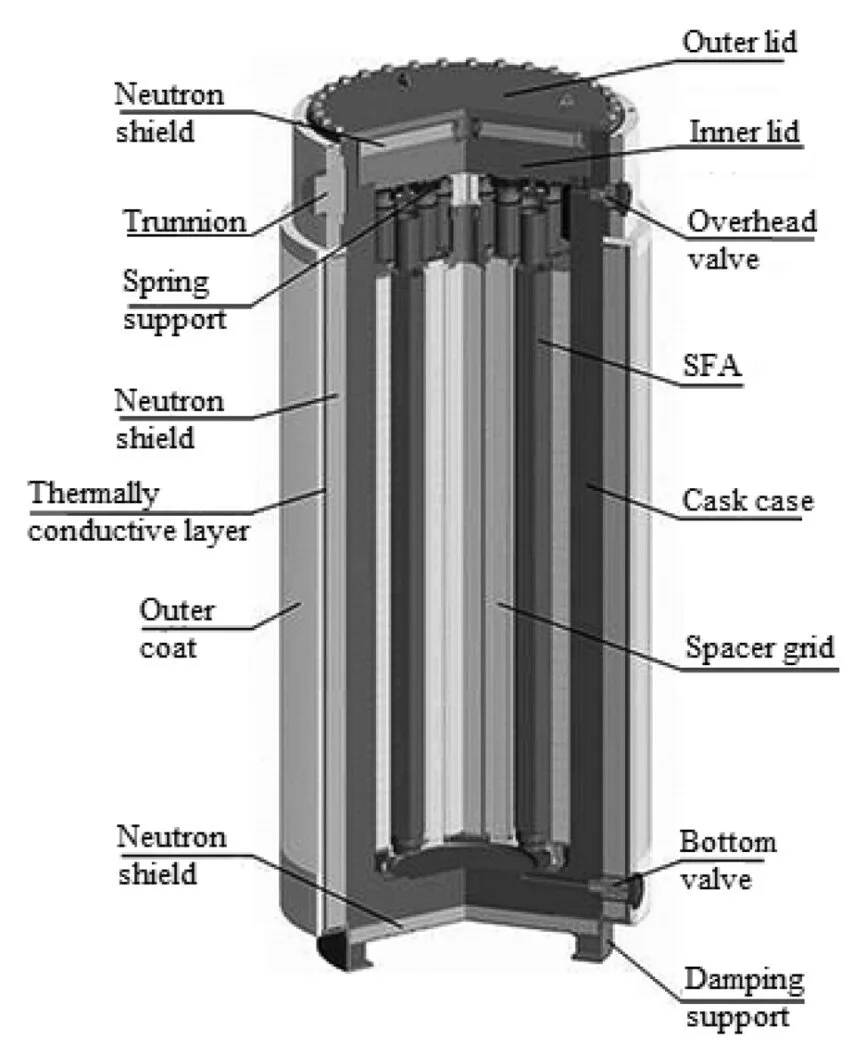
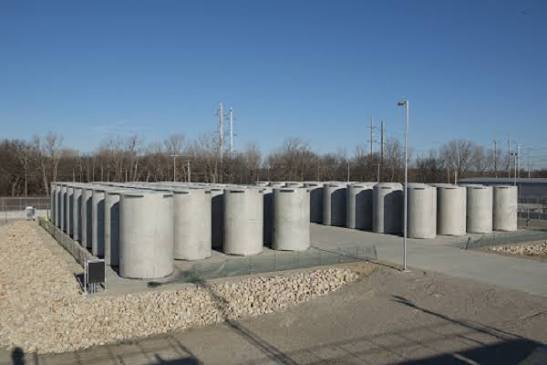
It is typically placed first in deep pools of water, which cool the fuel and provide radiation shielding. After several years of cooling, fuel can be moved into dry casks made from heavy steel and concrete.
The United States currently does not have an operating permanent geologic repository for commercial spent nuclear fuel, so most used commercial fuel remains stored at reactor sites.
Used fuel also contains materials that potentially can be recovered and made into new nuclear fuel. Other countries recycle portions of their used fuel, while the United States currently does not do so on a commercial scale.
Regardless of the approach, some radioactive material ultimately requires long-term isolation and management.
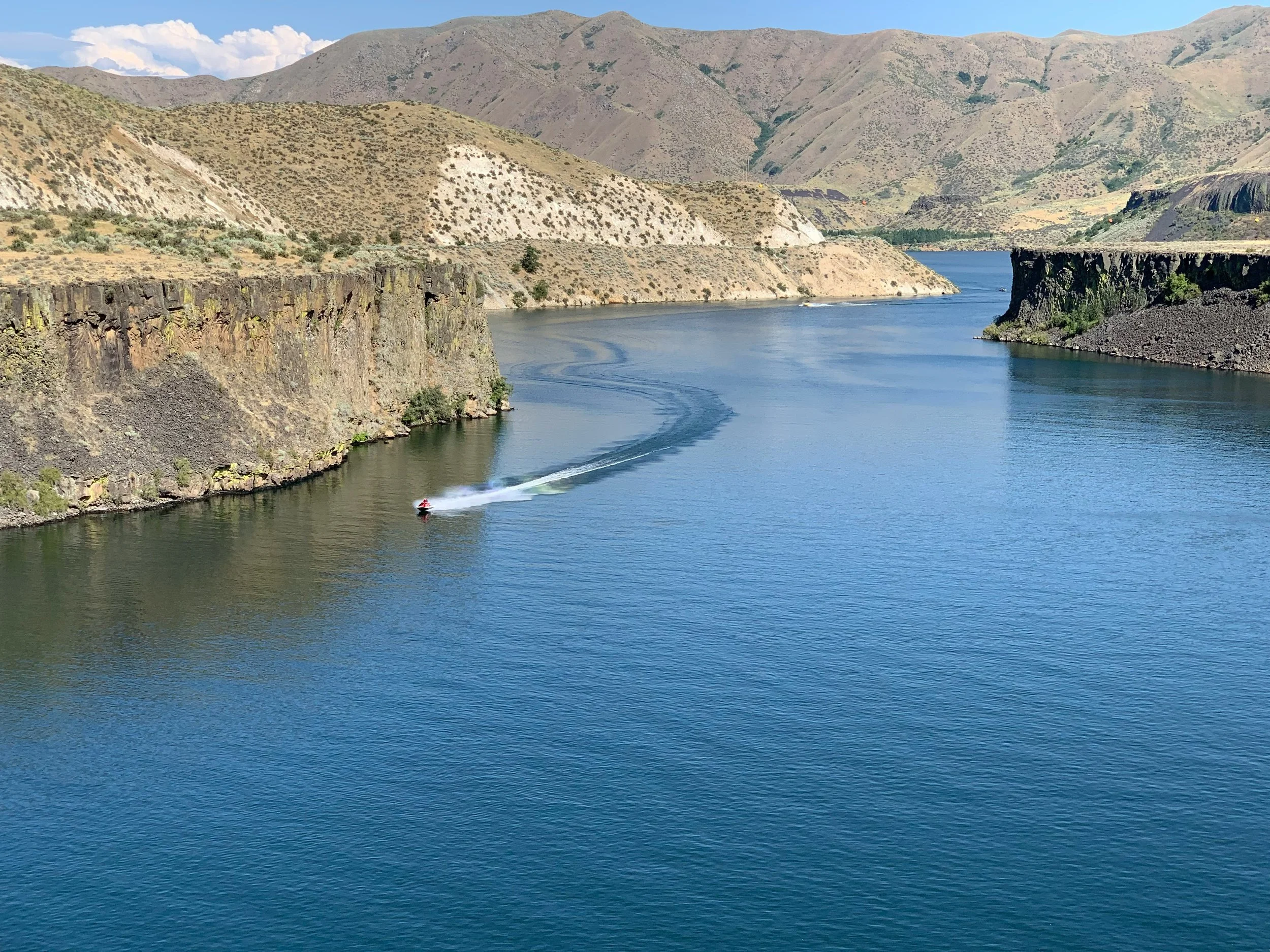
Q : COULD NUCLEAR DEVELOPMENT AFFECT IDAHO'S WATER?
Protecting Idaho's water would have to be a central requirement of any nuclear development. Nuclear facilities cannot simply release radioactive material into groundwater.
Any major nuclear project in Idaho would undergo environmental review, permitting, monitoring and regulatory oversight.
That is particularly important in eastern Idaho because the Idaho National Laboratory sits above the Eastern Snake River Plain Aquifer.
Idaho also has a history that shows why those protections matter. Early operations at what is now INL used disposal practices that would not be permitted today, including disposal of contaminated wastewater into the subsurface.
Modern environmental rules prohibit those historical practices, and groundwater beneath and around INL is now extensively monitored.
New nuclear development should therefore be judged not simply on whether it promises to protect Idaho's water, but on the specific engineering, monitoring, regulatory and enforcement measures used to guarantee that protection.
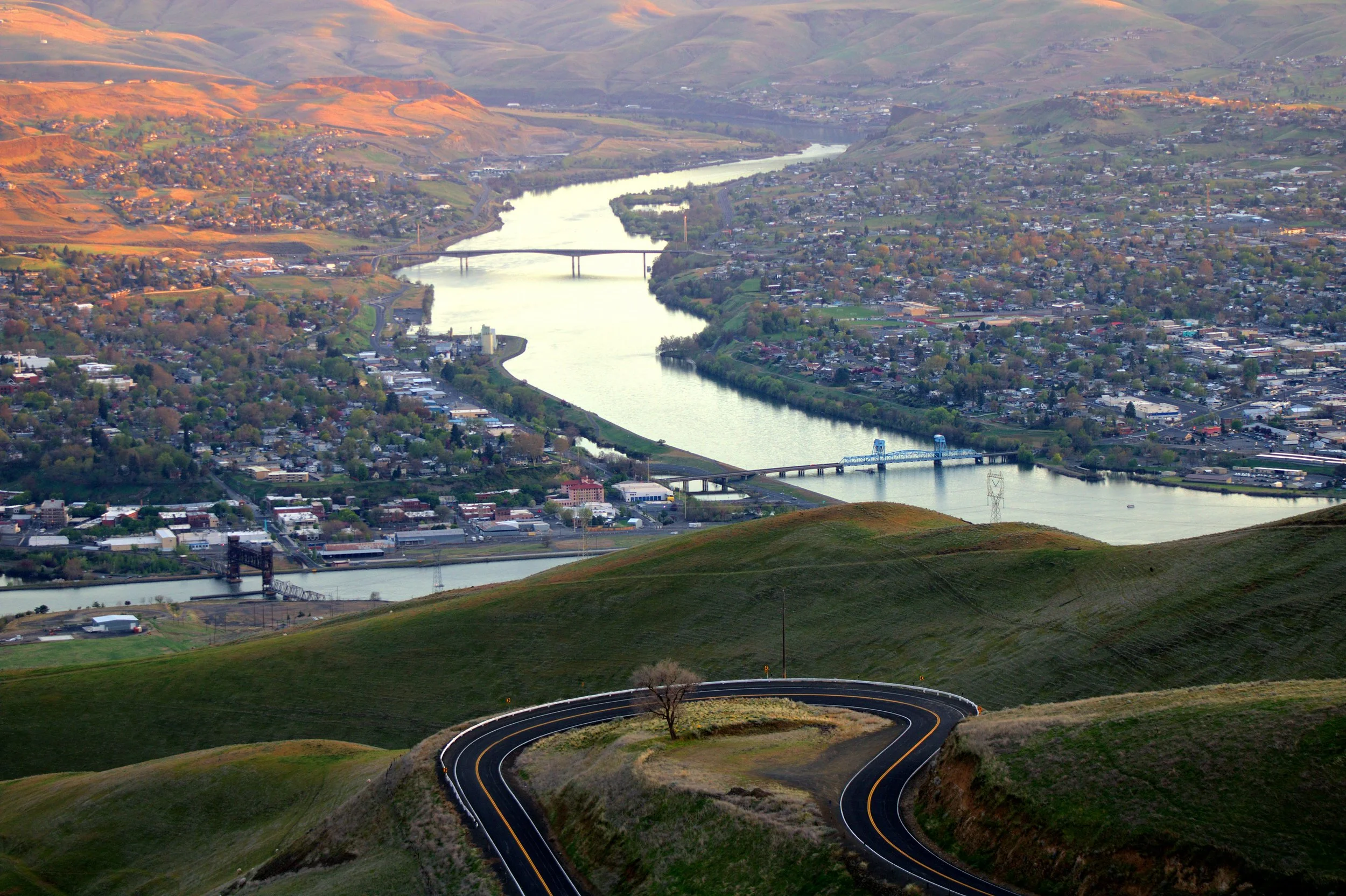
Q: WHAT ABOUT THE SNAKE RIVER PLAIN AQUIFER?
It is one of Idaho's most important water resources, and protecting it must be a non-negotiable part of nuclear development in the state.
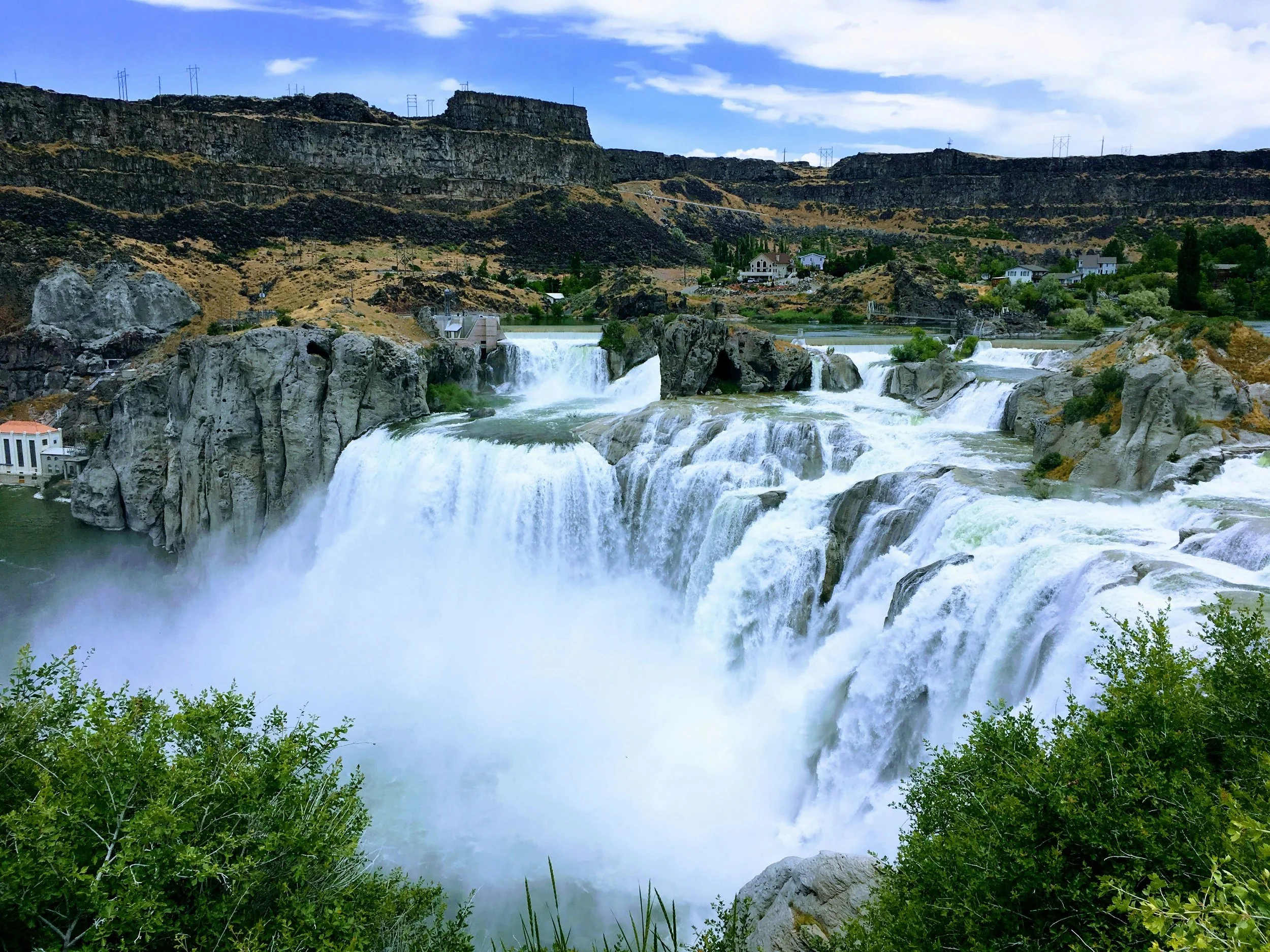
The Eastern Snake River Plain Aquifer lies beneath the Idaho National Laboratory Site and supplies water for communities, farms and businesses across eastern Idaho.
Historic operations at the site did contaminate portions of the groundwater beneath INL. That history is real and should not be minimized.
Those disposal practices ended decades ago. Since then, the Department of Energy, State of Idaho, EPA and U.S. Geological Survey have carried out extensive cleanup and groundwater monitoring.
DOE reports that concentrations of several important contaminants have declined substantially over time as disposal stopped, cleanup occurred and radioactive materials naturally decayed and dispersed. Monitoring continues because localized contamination still exists beneath portions of the site.
Protecting the aquifer should remain one of the standards against which any future nuclear proposal in Idaho is measured.
Q: WHAT ABOUT Spent Nuclear Fuel Storage and Aquifer Safety
The United States currently has 94 operating commercial nuclear power reactors at 54 power plants in 28 states. The NRC’s Reactor Safety Rules require that each reactor’s site be evaluated for potential impacts on groundwater, including aquifers. If a reactor is located over an aquifer, the licensee must demonstrate that normal operations will not cause unacceptable contamination or structural damage.
While the U.S. Nuclear Regulatory Commission (NRC) does not publish a public list of reactors over aquifers, historical and technical reviews show that some U.S. reactors are located in areas with known aquifers. For example, Vogtle Units 3 & 4 (Georgia) and Turkey Point (Florida) have been noted in hydrogeological studies as being in areas with significant groundwater systems, and many reactors in the Midwest and South are in regions with deep aquifers (similar to Idaho aquifers), but the NRC’s site evaluations confirm that these sites meet groundwater protection criteria.
Nearly all Used Nuclear Fuel (Spent Nuclear Fuel) from these reactors is safely stored at each reactor site (as noted, some of which are over aquifers), typically in dry casks in accordance with applicable laws and regulations. There is no credible, peer‑reviewed evidence that Used Nuclear Fuel stored in dry casks at U.S. reactor sites has contaminated groundwater or aquifers, and regulatory agencies report no such incidents.
The U.S. Department of Energy (DOE), which manages large volumes of Used Nuclear Fuel at Hanford, Savannah River and Idaho National Laboratory, explicitly states that it is “fully complying with applicable federal, state, and local laws” and that its Used Nuclear Fuel is stored in secure, engineered facilities with environmental protection measures. DOE’s environmental impact statements and records of decision do not document any groundwater contamination from spent nuclear fuel storage.
Independent studies and regulatory inspections have found no confirmed cases of Used Nuclear Fuel dry casks leaking radioactive material into groundwater at U.S. commercial reactor sites. Routine environmental monitoring at these sites, including groundwater sampling, has not detected contamination above background level. The NRC’s inspection reports and DOE’s environmental monitoring programs confirm that spent fuel storage facilities meet safety standards and that any potential release would be detected and addressed immediately.
In conclusion, no verified incidents of Used Nuclear Fuel stored in dry casks from U.S. reactor sites contaminating groundwater or aquifers have been reported in regulatory records, scientific literature or EPA Superfund listings. Ongoing monitoring and strict licensing requirements continue to ensure that such contamination is prevented and would be detected if it did occur.

Q: WHAT HAPPENED WITH NUCLEAR CONTAMINATION IN IDAHO'S PAST?
Yes, contamination occurred. Early nuclear operations used waste-disposal practices that would not be allowed today, and portions of the INL site and groundwater have required decades of cleanup.
Idaho's nuclear history includes extraordinary scientific achievements, but it also includes environmental mistakes.
During the early decades of the National Reactor Testing Station, radioactive and chemical wastes were handled using practices considered acceptable at the time but prohibited today. These included injecting some contaminated wastewater into the subsurface and burying radioactive and hazardous materials.
Those activities contributed to localized contamination of soil and groundwater beneath portions of the INL site.
In 1989, Idaho established an independent state oversight program. Idaho later became the first state to negotiate independent state monitoring of a federal Department of Energy facility.
Federal cleanup formally expanded under a 1991 agreement involving DOE, EPA and the State of Idaho, and the landmark 1995 Idaho Settlement Agreement imposed additional requirements governing nuclear waste and spent fuel in the state.
Cleanup continues today.
Understanding this history matters because Idaho's nuclear future should be built using the lessons learned from its past, not by ignoring them.
Q: WHAT IS RADIATION?
Radiation is energy traveling through space or matter. We are exposed to small amounts of radiation naturally every day.
Radiation is energy emitted from a source in the form of waves or particles.
Some radiation is non-ionizing, such as visible light and radio waves. Ionizing radiation has enough energy to alter atoms and includes certain radiation produced by radioactive materials.
Radiation isn't unique to nuclear facilities. Natural radioactive materials exist in the ground, air and even our bodies, and people also receive radiation from medical procedures, air travel and other sources.
What matters is the type, amount and duration of exposure.
Nuclear facilities use shielding, distance, containment, monitoring and exposure limits to protect workers and the public.
Q: WHAT HAPPENS DURING AN EMERGENCY?
Nuclear facilities are required to prepare for emergencies before they happen, with plans involving facility operators, regulators and local and state emergency responders.
Emergency preparedness is built into nuclear regulation.
For commercial nuclear power plants, operators must maintain detailed emergency plans and coordinate with state and local authorities. Plans address communications, radiation monitoring, evacuation or sheltering if necessary, medical response and protection of food and water.
Commercial power reactors traditionally plan around approximately a 10-mile zone for potential airborne exposure and a roughly 50-mile zone for possible impacts to food and water.
Facilities also classify emergencies by severity so regulators and emergency responders can respond appropriately.
Different types of nuclear facilities have different hazards, so emergency requirements depend on what a facility actually does and the materials it handles.
Q: WHO REGULATES NUCLEAR FACILITIES?
There isn't just one regulator. Federal and state agencies have different responsibilities depending on the type of facility and material involved.
The U.S. Nuclear Regulatory Commission regulates commercial nuclear reactors, many research reactors, nuclear fuel-cycle facilities and the possession and use of certain nuclear materials.
The U.S. Department of Energy oversees many federally owned nuclear research and defense facilities, including much of the Idaho National Laboratory site.
Environmental requirements can also involve the U.S. Environmental Protection Agency and the Idaho Department of Environmental Quality.
Idaho additionally operates an independent INL Oversight Program to assess environmental and public-health impacts associated with operations at the site.
Which agencies regulate a future Idaho project would depend on what is being proposed, who owns it and what materials or activities are involved.
Q: HOW EXPENSIVE IS NUCLEAR ENERGY?
Nuclear plants can be expensive to build, but they can operate for decades and produce large amounts of electricity around the clock. The final cost depends heavily on the reactor design and how efficiently it is constructed.
Cost is one of the biggest challenges facing new nuclear development in the United States.
Large conventional reactors require major upfront investment, and recent first-of-a-kind projects in the United States have experienced significant construction delays and cost overruns.
The Department of Energy estimates first-of-a-kind advanced nuclear projects could also carry high upfront costs, but expects costs to fall if reactor designs can be standardized and repeatedly built.
Small modular reactors and other advanced designs are intended in part to simplify construction, reduce project risk and allow components to be manufactured more consistently, although many of those technologies have not yet been deployed commercially at scale in the United States.
So there isn't one honest answer to, “What does nuclear cost?”
A better question is: Which reactor, built where, financed how and compared with what alternative?

Q: HOW LONG DOES NUCLEAR WASTE REMAIN RADIOACTIVE?
It depends on the material. Some radioactive elements decay quickly. Others remain radioactive for thousands of years or longer.
Radioactive materials decay at different rates measured by something called a half-life: the amount of time it takes for half of a particular radioactive isotope to decay.
Some radioactive materials lose most of their radioactivity relatively quickly. Others have much longer half-lives.
Used nuclear fuel contains many different radioactive elements, so its radioactivity changes dramatically over time rather than disappearing on one specific date.
It is hottest and most radioactive immediately after leaving a reactor. Its heat and radioactivity then decrease substantially with time, but some components remain radioactive for thousands of years and require long-term isolation.
That's why safe storage, transportation and ultimately permanent management of the remaining waste are part of the nuclear fuel cycle.
Q: WHAT IS A NUCLEAR LIFECYCLE INNOVATION CAMPUS?
The Department of Energy’s (DOE) intent with the Nuclear Lifecycle Innovation Campus concept is to support the full nuclear lifecycle, including fabrication, enrichment, reprocessing of used nuclear fuel and final disposition of Used Nuclear Fuel (UNF). Idaho has not committed to any final disposition of Used Nuclear Fuel.
Idaho National Laboratory has been the center for nuclear reactor innovation for over 80 years. Currently, there are four micro-reactor concepts being tested at the INL campus that will soon be available for commercial and military deployment. INL has also been a leader in Used Nuclear Fuel reprocessing. INL is unique in America as it can do all the reprocessing steps on an industrial scale, so it is precisely positioned to take on the role as a primary Used Nuclear Fuel reprocessing center.
Idaho hosting an NLIC would allow Idaho to continue leading the nation in nuclear energy innovation, pairing its world-class research ecosystem with rigorous environmental controls, independent oversight and a proven commitment to cleanup.
Q: WHAT COULD THIS MEAN FOR IDAHO?
The Department of Energy has put figures on what a Nuclear Lifecycle Innovation Campus would bring to the state that hosts it. These are DOE’s numbers.
NEARLY: 25,000 Jobs, once a campus is established.
UP TO: $50 billion Capital investment attracting significant private investment.
AS MUCH AS: $10 billion in additional state and local tax revenue for roads, schools and county budgets.
Q: WHAT IS REPROCESSING OF USED NUCLEAR FUEL?
-
Used Nuclear Fuel, formerly referred to as Spent Nuclear Fuel, is the nuclear fuel (uranium) that has been removed from commercial nuclear reactors.
This Used Nuclear Fuel is removed as it is no longer efficient for nuclear fission and needs to be replaced with fresh enriched uranium fuel.
-
Nuclear reprocessing is a chemical process used to separate the valuable materials in Used Nuclear Fuel from the radioactive waste products.
This Used Nuclear Fuel can be re-enriched to be used again.
This process can be done many repeatable times to leverage all the value of the uranium. To a degree, it is recyclable.
-
Used Nuclear Fuel contains several different materials mixed together:
Uranium (~94–96%) — Most of the original fuel remains.
Fission products (~3–5%) — Highly radioactive waste produced when uranium atoms split.
Plutonium (~1%) — Created during reactor operation. Can be mixed with uranium for use in other type reactors.
Proliferation is not a problem as ALL plutonium byproducts are very tightly controlled.
Small quantities of other actinides, such as Neptunium and Americium.
-
More than 95,000 metric tons of commercial Used Nuclear Fuel is now stored at 79 sites in over 30 states.
The Used Nuclear Fuel is stored at these sites in very secure stainless-steel containers within cement casks.
The location of these storage sites is at operating nuclear plants or at decommissioned reactor sites.
The DOE subsidizes this temporary storage for over $900 million a year to the utility owners of these nuclear sites.
-
A reprocessing facility could take a portion of these casks, get subsidized to store these casks, and then this Used Nuclear Fuel can be reprocessed.
The high-level-waste fraction could be reduced dramatically in volume by up to 95%, from 95,000 metric tons to just over 3,000 metric tons remaining.
The final waste would be vitrified, which is a process of suspending in glass, that then would be destined for the geological long-term repository.
None of this final waste product would be stored long term in Idaho.
-
Used Nuclear Fuel in the U.S. is equivalent to 440 billion barrels of oil, or 28% of world oil reserves.
Potential for trillions of value to be captured.
Q: Is INL vulnerable to earthquakes?
INL is in a relatively seismically quiet area compared with much of Idaho, but it is not earthquake-free.
INL sits on the Eastern Snake River Plain, which is comparatively quiet seismically.
The surrounding Basin and Range region-particularly north and northwest of INL-has more earthquake activity.
INL operates a continuous seismic monitoring network specifically to detect earthquakes and assess seismic hazards to its operations.
INL nuclear facilities are designed for specified levels of ground acceleration and response spectra that correspond to very low probabilities of exceeding those motions.
Q: Are Used Nuclear Fuel casks vulnerable to earthquakes?
The risk is very low that a properly licensed Used Nuclear Fuel dry-storage cask would rupture from an earthquake, including a strong earthquake.
A typical Used Nuclear Fuel DRY-STORAGE system has:
Fuel assemblies inside a sealed steel canister.
Helium gas surrounding the fuel.
A thick steel confinement canister that provides the actual leak-tight barrier.
A steel/concrete overpack around the canister that provides shielding and mechanical protection.
A reinforced-concrete storage pad.
The Nuclear Regulatory Commission explicitly evaluates explosions, aircraft impacts, projectiles, earthquakes and other external events as part of Used Nuclear Fuel safety assessments.
Bottom line: Used Nuclear Fuel Dry Storage casks are extremely strong and resilient against any attack or natural event and are dry and DO NOT AND WILL NOT LEAK.