
INL PROJECTS UNDERWAY
NuCube
One platform to license, fabricate, and deploy clean nuclear power anywhere in the world.
Key Highlights:
Passive heat transfer: no pumps, no moving parts
~80% Fewer Moving Parts than Legacy Reactors
>90% Heat Market Addressed
3 Output Modes
0 Pumps, Pressurizers, or Pressure Vessels
Revolutionary solid-state fission reactor - the NuSun Platform reinvents nuclear from the ground up, with drastic reduction of parts and dramatically lower cost.
Passively safe -off-the-shelf, proven materials and fuel (TRISO); walkaway safe design
Heat-pipe cooling - no core cooling pumps, no valves, no pressurized vessel
Simplified plant - no turbine or generator; no secondary loop, lower cost and less downtime
Flexible output - industrial heat, combined heat & power, or electricity via Thermophotovoltaic (TPV) cells
Lower lifecycle maintenance – significant capital reduction and reduced maintenance over plant life
Modular, factory-built reactors that scale on demand
Firm, dispatchable 24/7 clean power generation
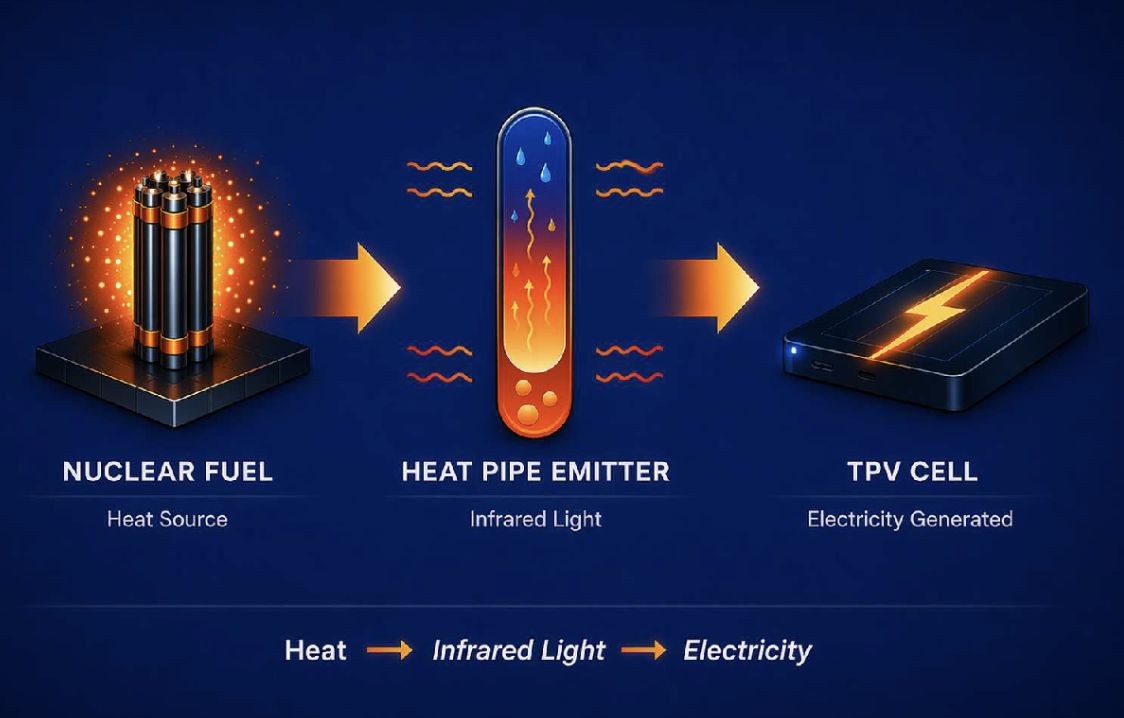
Turning Heat Directly Into Electricity
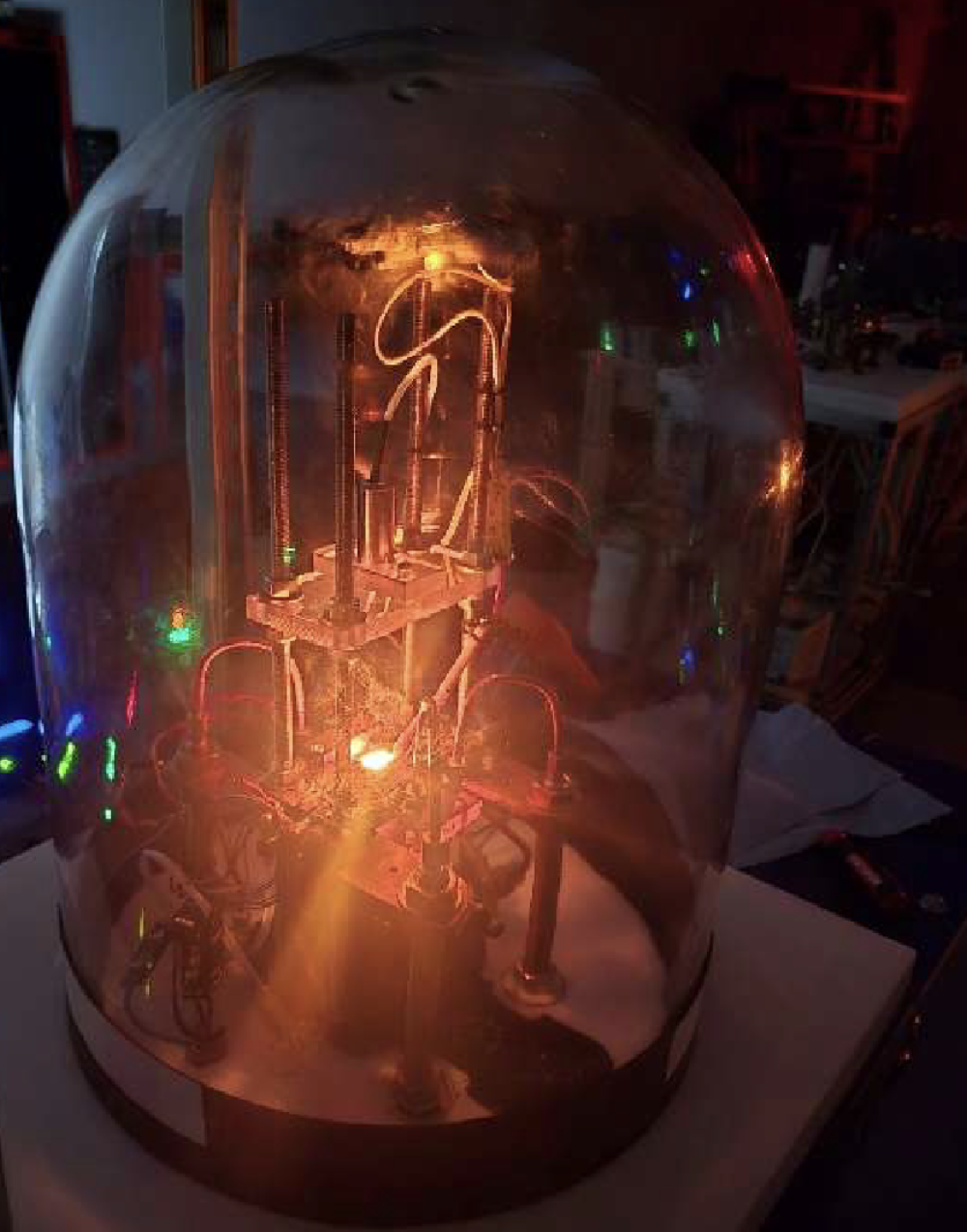
Thermophotovoltaic heat-to-electricity conversion (TPV) enables a new and more cost-efficient energy system by converting heat directly into electricity
TPV work like solar panels for heat - converts infrared radiation from a heat source directly into electricity
High-temperature heat creates infrared light, which specialized TPV cells convert into electric power
Aalo Atomics
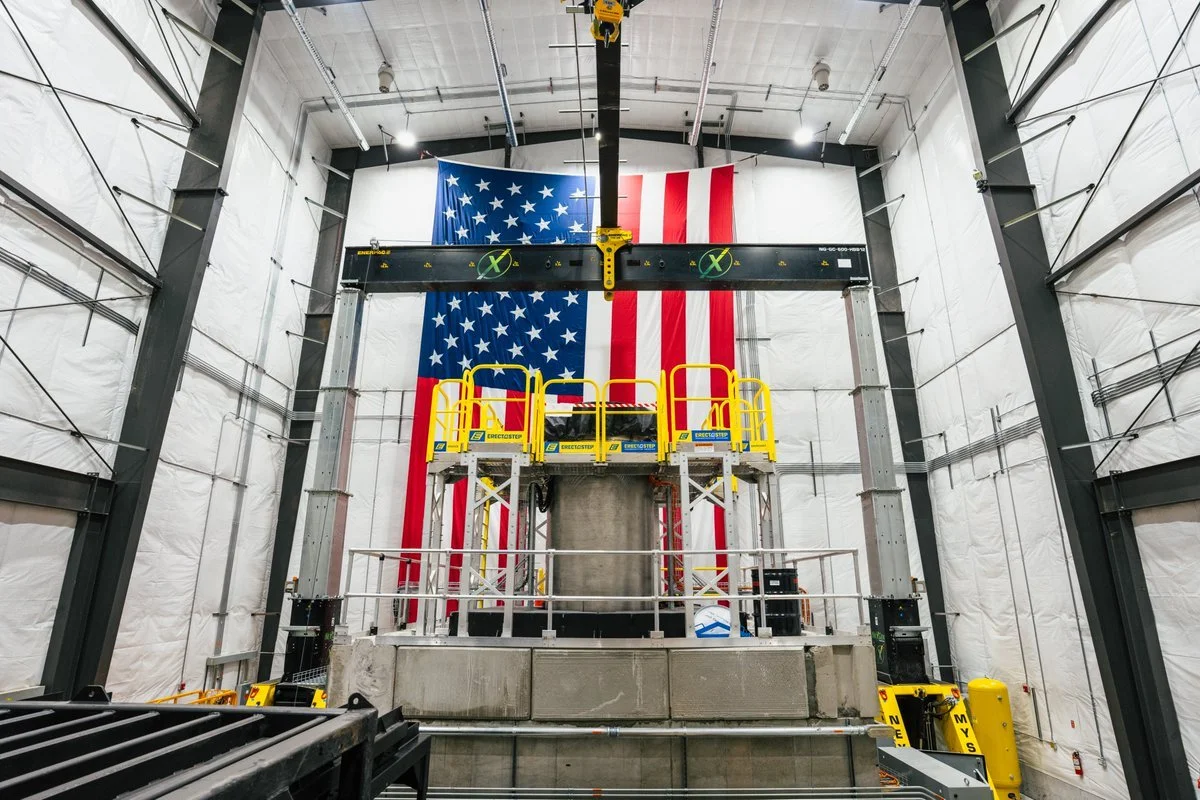
U.S. advanced-nuclear company developing micro-modular reactors at INL.
Broke ground in September 2025
Achieved zero-power criticality on July 4, 2026
Design goal: Factory manufacturing and scalable on-site deployment.
Aalo’s business model is particularly focused on dedicated nuclear power for data centers.
Design concept is to factory build 10 MW modular reactors that can be easily deployed and can be configured to a 50 MW multi-pod power system.
Fuel used is the same as used in current reactors nationwide.
Coolant is liquid sodium instead of water
Power conversion by sodium transfers heat through a heat exchanger to a steam system and turbine.
Aalo plans to use air-cooled condensers, which reduces dependence on cooling water.
Aalo has also announced a strategic partnership with Crusoe aimed at deploying nuclear-powered AI infrastructure.
OKLO: BUILDING IDAHO’S NUCLEAR FUTURE
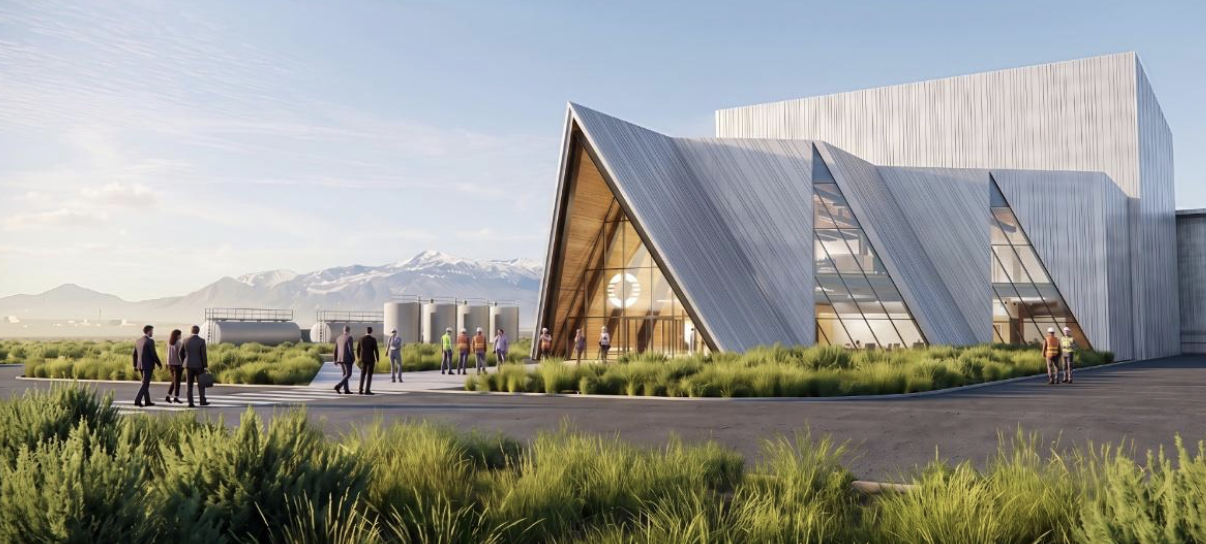
Oklo is advancing power, fuel, and isotope projects expected to support around 370 construction jobs and create 70–80 long-term, highly skilled positions in Idaho Falls.
POWER: Construction is underway on the Aurora-INL powerhouse at Idaho National Laboratory (INL). The Aurora-INL is Oklo’s first commercial advanced fission power plant and is targeted to begin operations in 2028.
FUEL: Oklo is building a fuel fabrication facility at INL to fabricate fuel for the Aurora-INL using material recovered from Idaho’s historic Experimental Breeder Reactor-II.
ISOTOPES: Oklo's Idaho Radioisotopes Laboratory is intended to support early isotope production under a U.S. Nuclear Regulatory Commission materials license, build operational experience, and bridge the gap between pilot validation and commercial production.
Radiant Nuclear
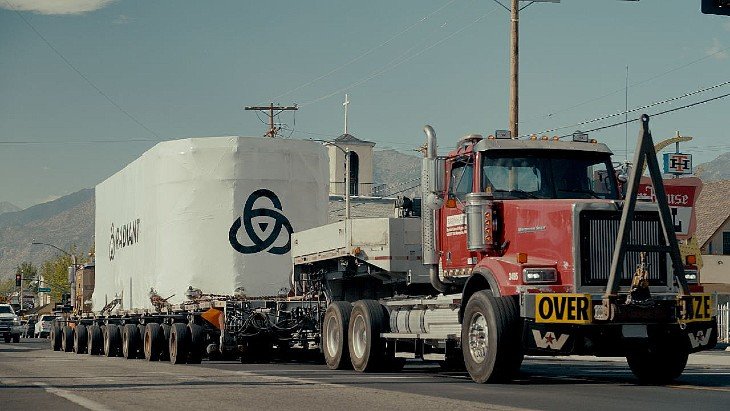
Developing the Kaleidos transportable 1 MW nuclear micro-reactor at INL’s DOME facility.
Designed for military bases, remote locations. hospitals, data centers and other sites that need reliable power.
Fuel used is HALEU TRISO.
HALEU ( High-Assay Low Enriched Uranium) is enriched uranium that works better in smaller cores and lasts longer before refueling.
TRISO is fuel contained in small kernels that act as mini-containment barriers. Safer and easier for transport.
Power conversion is from heated helium that drives a turbine and makes electricity.
Cooling used air cooling and zero on site water required.
Reactors are designed to be transported by truck, ship or airplane.
Proposed Kaleidos deployment to Buckly Air Force Base in 2028.
Army JANUS program signed agreement for 15 Kaleidos microreactors.
Project Omega
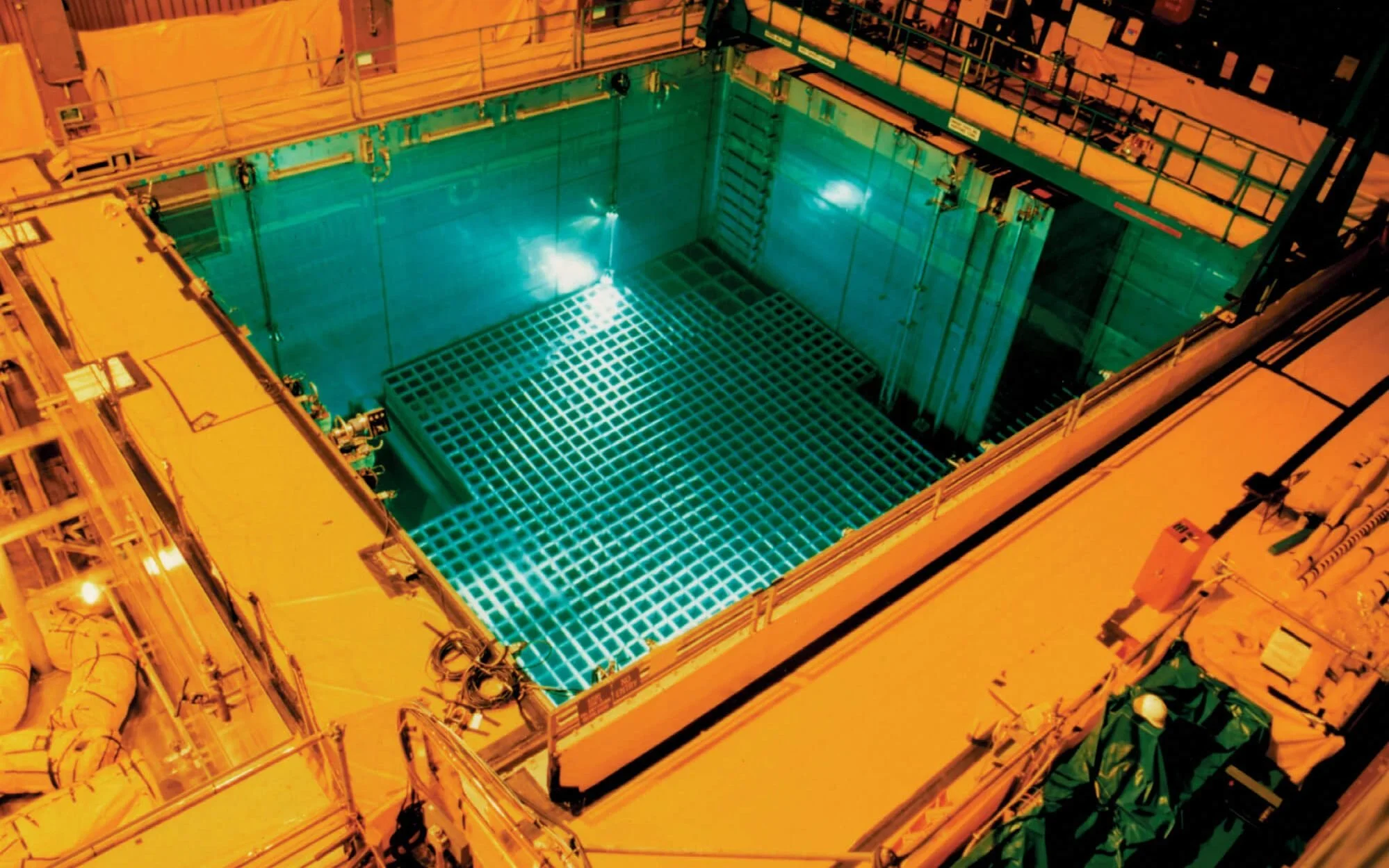
Working with INL on technology focused on reprocessing Used Nuclear Fuel (UNF) also known as Spent Nuclear Fuel.
Uses electro-chemical process to separate valuable materials from UNF.
Materials are potential feedstocks for advanced reactor fuels.
Pursuing a pilot recycling facility in Idaho Falls Idaho.
AMENTUM
Amentum and its predecessor companies have a long-standing presence in Idaho, serving in the Prime leadership roles supporting both Idaho National Laboratory (INL) and the Idaho Environmental Cleanup Coalition (IEC). Our work spans the nuclear lifecycle, from advanced nuclear research, clean energy innovation to complex nuclear operations, spent fuel management and environmental cleanup.
Remediating Legacy Liabilities: As the lead and majority owner of the Idaho Environmental Coalition (IEC), Amentum directs the $6.4 billion Idaho Cleanup Project, safe-storing spent nuclear fuel, operating waste treatment infrastructure, and decommissioning legacy Cold War facilities—preparing land and resources for future nuclear missions.
At INL, Amentum supports nuclear facility design and engineering, advanced reactor technologies, clean energy initiatives, and a broad range of research and development activities that advance the nation’s energy mission.
Through IEC, Amentum leads critical work including spent nuclear fuel storage and handling, solid waste management operations, nuclear reactor and facility decommissioning, environmental remediation and regulatory compliance.
Together these capabilities provide Amentum with deep experience across Idaho’s nuclear enterprise and a strong foundation to support the Nuclear Lifecycle Innovation Campus’s (NLIC), from advanced reactor and nuclear facility development through long-term operations and back-end waste solutions.
Amentum at INL: Supporting Idaho’s Nuclear Past, Present, and Future
From proving nuclear reactor safety concepts during the Cold War to enabling the next generation of advanced nuclear clean energy, Amentum has been central to the story of the Idaho National Laboratory (INL) site for half a century.
Amentum’s lineage at the site began in 1976 when legacy company EG&G Idaho, Inc. served as prime contractor for what was then the Idaho National Engineering Laboratory (INEL). Today, Amentum’s role at INL comes full circle through a strategic presence across both major site missions: enabling advanced nuclear R&D with Battelle Energy Alliance (BEA) and leading comprehensive site remediation with Idaho Environmental Coalition (IEC).
RAVEN-FLINT NUCLEAR CORPORATIOn
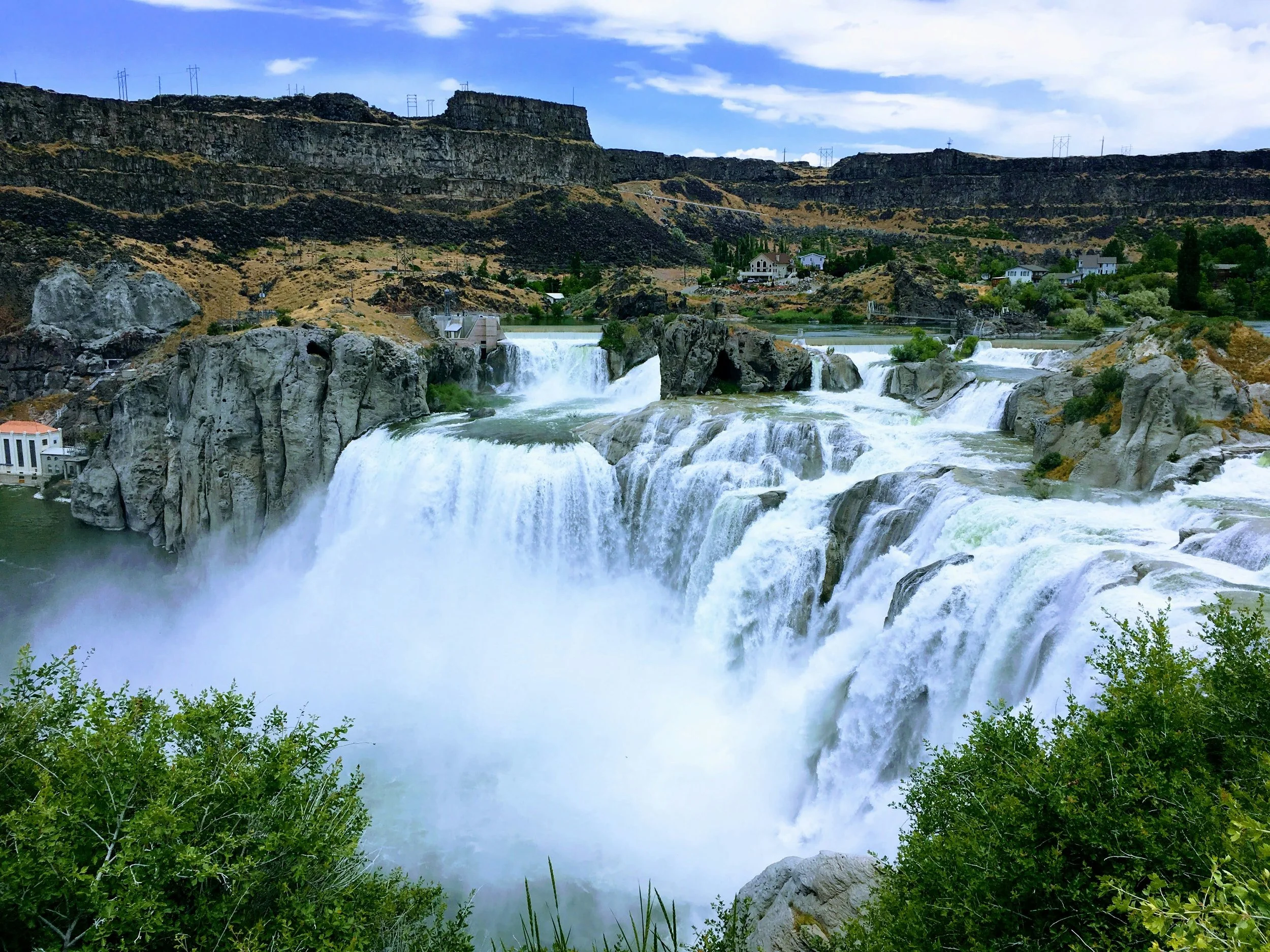
Raven-Flint is a privately held nuclear-fuel technology company headquartered in Idaho Falls, Idaho.
Currently developing a process to convert uranium into a form used to manufacture nuclear reactor fuel.
Would become America's second uranium conversion facility.
Raven-Flint has a proprietary process that will greatly enhance the nuclear-fuel supply chain within the United States.
Starts with uranium concentrate, commonly called yellowcake
Converts it into Uranium Hexaflouride ( UF₆) without using elemental fluorine gas.
UF₆ can be enriched to the uranium-235 concentration needed for reactor fuel, then converted into the appropriate fuel form.
August 31, 2026: Raven-Flint announced selection for the Department of Energy's Nuclear Energy Launch Pad program at Idaho National Laboratory (INL).
Pilot plant: Its proposed Torch facility is designed for a capacity of 500 metric tonnes of uranium per year.
Why it matters to Idaho?
Raven-Flint is relevant to Idaho's advanced nuclear industry because it is developing uranium-conversion technology and plans to locate its Torch pilot plant at INL.
The facility will support the DOE mission “to ensure the availability of domestically produced, converted, enriched, de-converted, and reduced uranium.” (Nuclear Fuel Security Act of 2023). America’s sole conversion facility, built in 1958, meets less than half of current US utility demand.
Currently, American nuclear utilities purchased 92.8% from foreign origins.
Raven-Flint’s commercial plan will make enough UF6 to power 40% of America’s nuclear fleet.
The company's goal is to reduce dependence on foreign uranium-conversion services and lower costs and chemical hazards compared with conventional processes.

ESTECH
ESTECH was built for one purpose: delivering construction at Idaho National Laboratory. Headquartered in Boise and a wholly owned subsidiary of ESI Holdings, Idaho's largest privately held general contractor, ESTECH brings construction management, general contracting, and design-build expertise to some of the most demanding nuclear sites in the country.
ESTECH’s nuclear work at INL:
Building INL's NRIC DOME, home to the next generation of reactors: ESTECH is the general contractor on the NRIC DOME Test Bed at INL, a key piece of the National Reactor Innovation Center's mission to give private companies a place to test advanced reactor technology.
The work rehabilitates a historic steel containment dome with new safety-class steel and concrete, cooling and heat removal systems, and radiation monitoring, with ESTECH self-performing the concrete. It's one of the most important projects in the country for getting new nuclear designs from concept to reality.
Complex nuclear facilities: Built the Sample Preparation Laboratory, a Hazard Category 3 facility with an 11,000 SF safety-significant hot cell featuring four-foot-thick concrete walls and shielded steel enclosures.
Nuclear-grade quality and safety: Meets DOE safety and quality standards, with a quality program led by a former Navy nuclear surface warfare officer and a 0.0 recordable incident rate.
ESTECH employs Idahoans and keeps nuclear construction dollars in the state, working alongside longstanding Idaho subcontractor partners.
DEPLOYABLE ENERGY
Latest status at INL:
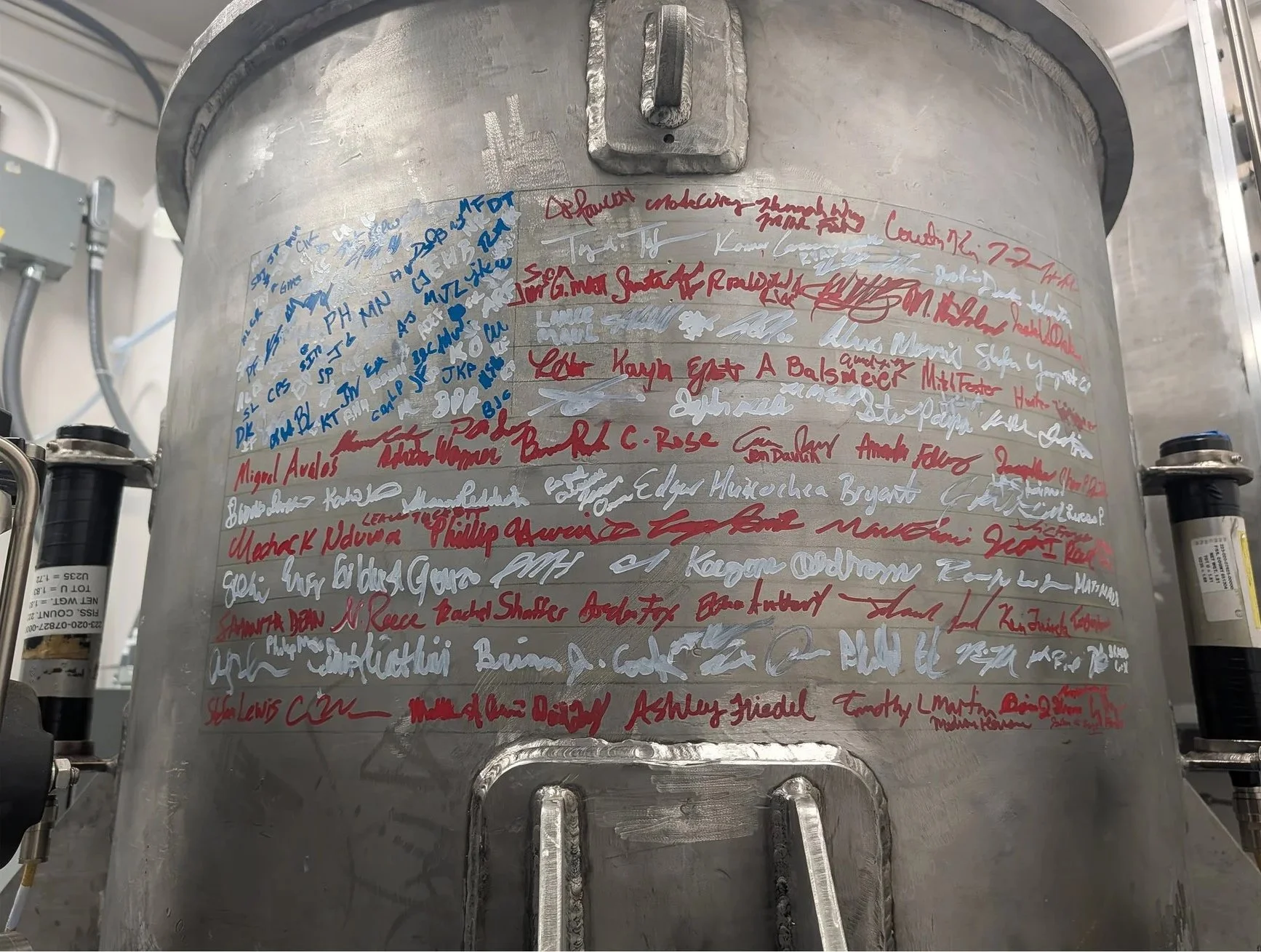
Deployable Energy-Unity reactor achieved a zero-power fueled criticality demonstration at Idaho National Laboratory on June 30, 2026.
The next major milestone is a full-power demonstration planned for 2027 at INL's DOME test facility. INL announced the selection on September 30, 2026.
Deployable Energy is a Houston, Texas-based nuclear technology company developing compact, transportable microreactors for distributed electricity generation. Founded in 2025, the company aims to make nuclear power commercially scalable through standardized, factory-manufactured systems rather than large, custom-built power plants. Its flagship technology is the Unity Nuclear Battery, designed to produce 1 megawatt of electricity.
Technology and the Unity Nuclear Battery
The Unity Nuclear Battery is a helium-cooled microreactor designed to generate approximately 1 megawatt of electrical power (1 MWe). It uses conventional low-enriched uranium dioxide fuel rather than specialized high-assay fuel. Its modular design emphasizes transportability, simplified installation, and manufacturing using established industrial supply chains.
Applications and commercial strategy
Deployable Energy targets locations requiring dependable, continuous electricity, particularly where conventional grid infrastructure is expensive or unavailable. Potential applications include remote communities, military installations, industrial facilities, maritime operations, and data centers. Its commercial strategy focuses on mass manufacturing, standardized reactor modules, and reducing the construction complexity associated with traditional nuclear projects.
ANTARES NUCLEAR
Portable Nuclear Microreactors
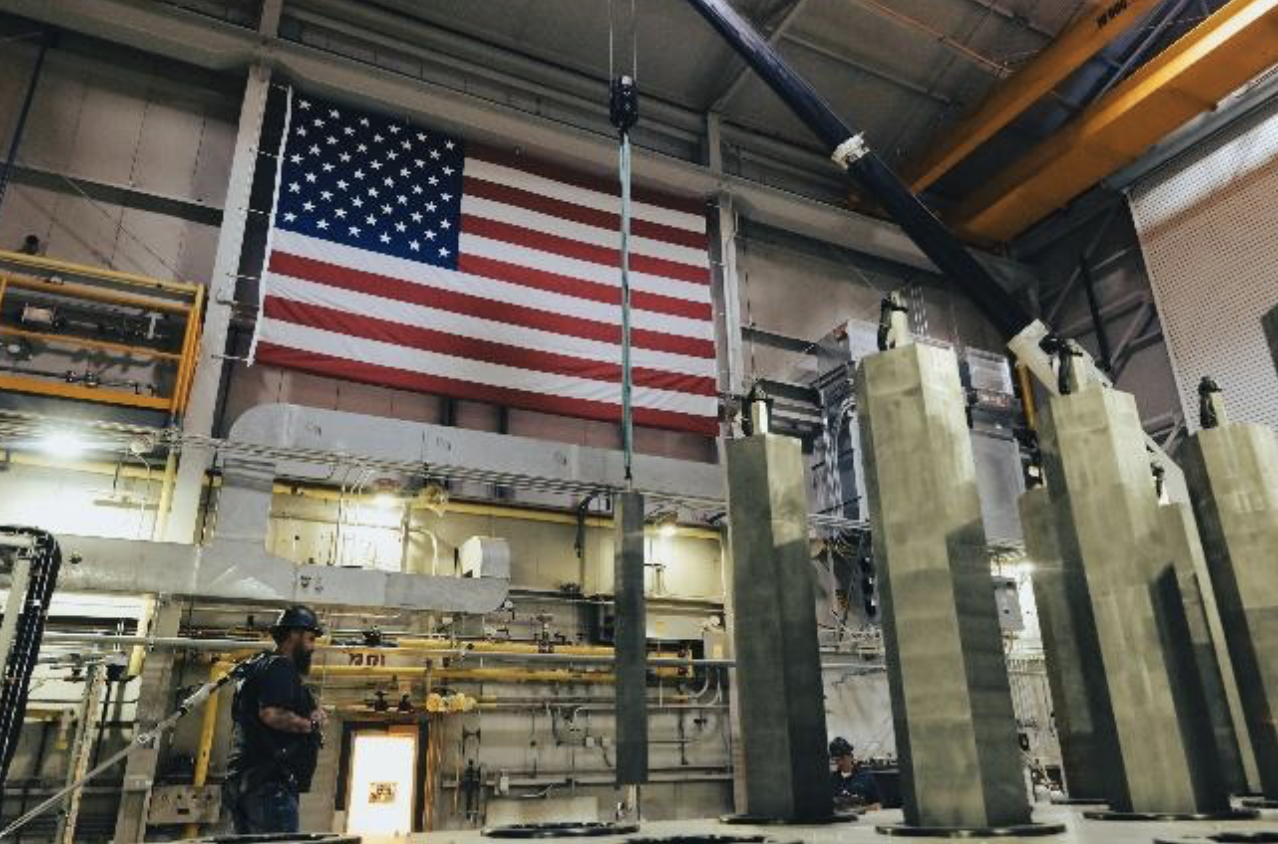
Antares designs and builds compact, factory-produced nuclear microreactors that deliver clean, firm power where conventional energy can't reach, including military bases, remote sites, and space. Idaho National Laboratory (INL) is the home of its reactor testing program.
On June 4, 2026, Antares' Mark-0 microreactor achieved criticality at INL. It was the first reactor to do so under DOE's Reactor Pilot Program, and the first privately developed, non-light-water reactor to go critical in the U.S. in more than 40 years.
Antares restored INL Materials and Fuels Complex-793, a facility that once housed the Army's first mobile reactor (ML-1), and turned it into a long-term reactor testbed.
In 2027, Antares will operate Mark-1, its full-power, electricity-producing reactor, for 6+ months.
The Antares system uses TRISO fuel and a graphite moderator. Heat pipes carry heat from the core to a closed-cycle nitrogen power conversion system.
Antares has $1B+ in federal contracts to deliver reactors to the Air Force (Advanced Nuclear Power for Installations) at Joint Base San Antonio, the Army (Janus) at Fort Bragg, and the Space Force (Strategic Breakthrough) to demonstrate a space reactor.
Antares operates a 322,000 square foot manufacturing facility in Torrance, California.
Antares' licensing work at INL created a repeatable DOE pathway that other advanced reactor developers can follow.